Why Root Canals Are Nothing to Fear

January 6, 2026

Why You Don’t Need to Be Afraid of a Root Canal

Many people feel uneasy about going to the dentist, and that fear often increases when a root canal is mentioned. While root canals have a reputation for being uncomfortable, this procedure is actually essential for saving teeth and relieving pain. Understanding what a root canal involves can help ease anxiety and make treatment feel far less intimidating.


Understanding Dental Anxiety and Root Canal Fear

Dentophobia, or fear of the dentist, affects a significant portion of the population. Studies show that approximately 36% of Americans experience dental anxiety, with about 12% reporting extreme fear. In roughly 3% of adults in industrialized countries, this fear is severe enough to cause complete avoidance of dental care.

Dental anxiety can stem from many concerns, including fear of pain, needles, blood, anesthesia not working, difficulty breathing, dental sounds or smells, or even fear of the dentist themselves. These fears often extend to root canal therapy. In fact, research suggests that people fear root canals more than public speaking, being trapped in an elevator, or encountering snakes or spiders.

Despite these fears, root canal treatment plays a critical role in preventing serious dental health problems and preserving natural teeth.

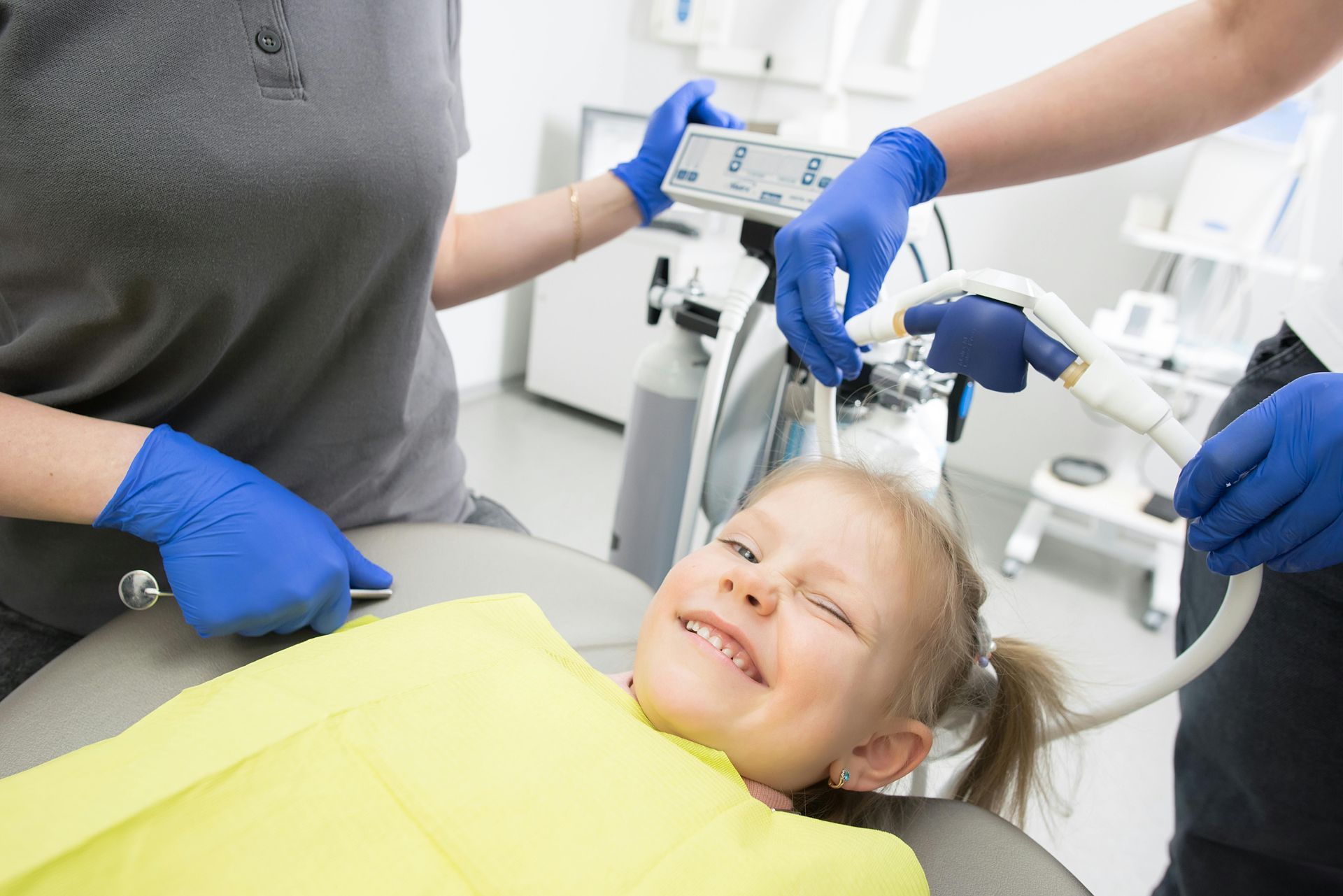
For patients in Sacramento, California who feel anxious about dental visits, Dr. Peter Kim and the team at Sierra Oaks Dental focus on patient comfort and offer sedation dentistry to make treatment as calm and manageable as possible.


Root Canal Basics

When a Root Canal Is Needed

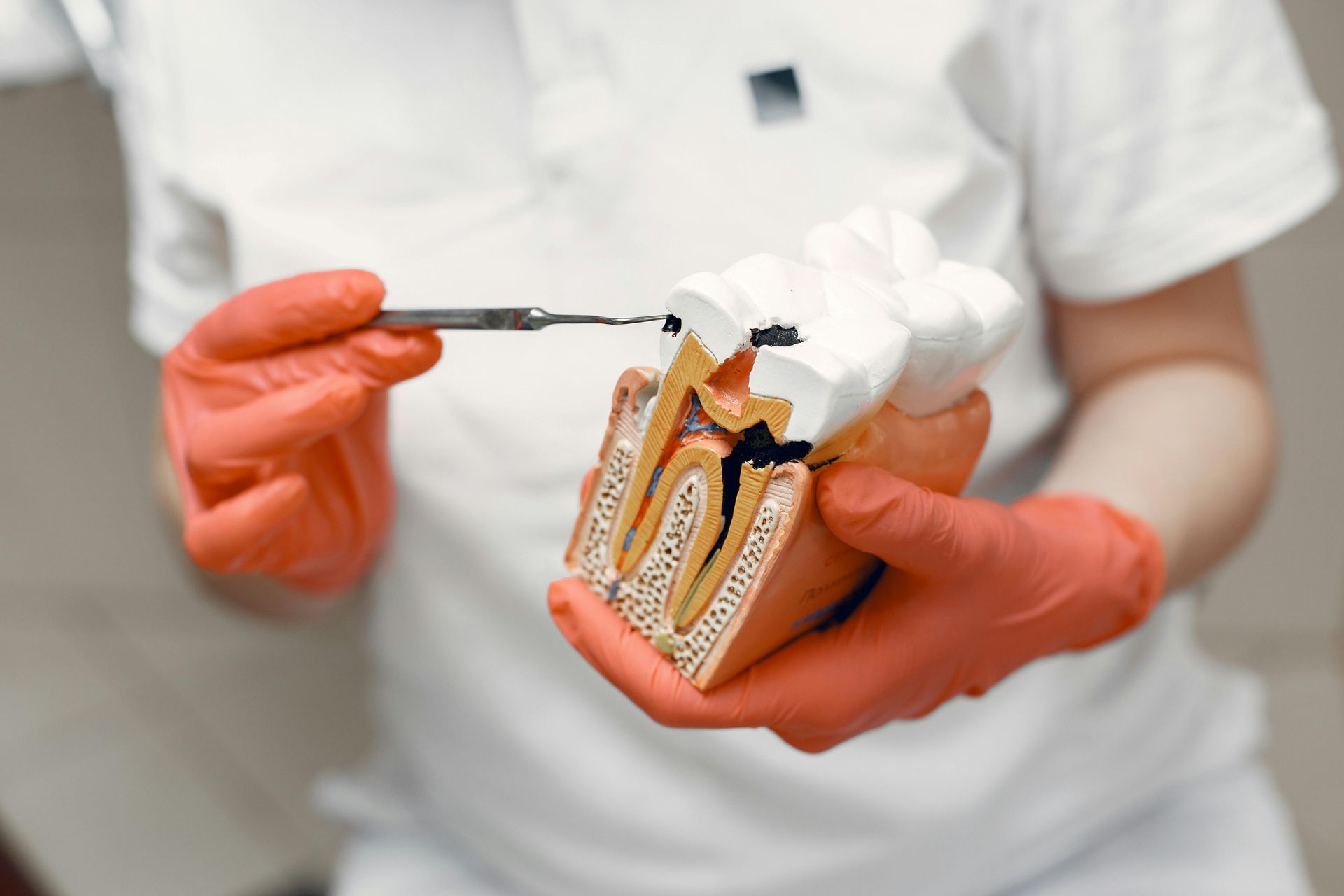
When a tooth becomes damaged or infected, common symptoms may include persistent tooth pain, sensitivity to hot or cold, gum swelling, discoloration, or visible cracks or chips. These issues often result from deep cavities, trauma, or abscesses.

If the damage reaches the inner pulp of the tooth, a root canal may be necessary to remove the infection and save the tooth from extraction.


How the Procedure Works

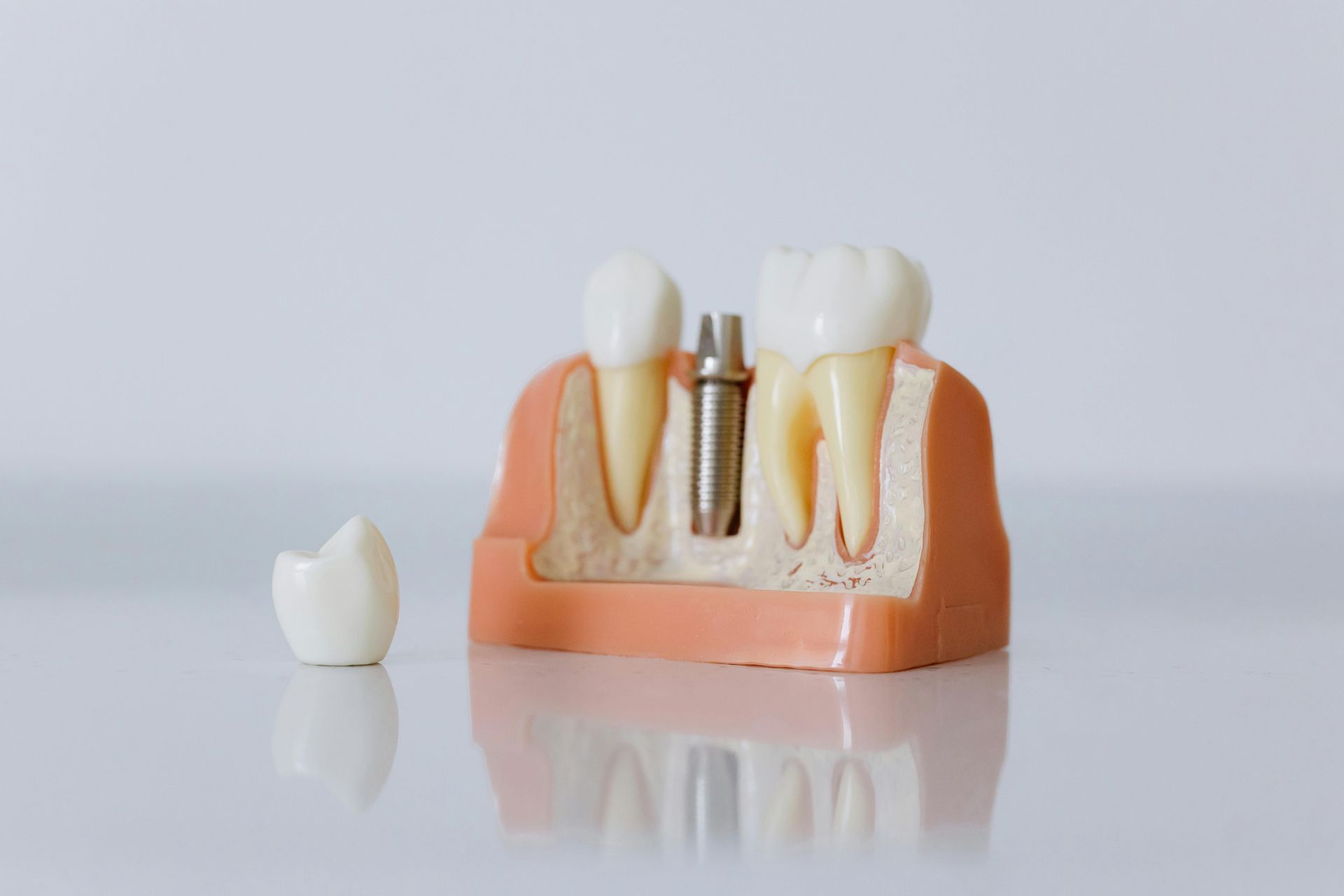
Root canal treatment begins with numbing the tooth using local anesthesia to ensure comfort. A dental dam is placed to isolate the tooth, and a small opening is created to access the pulp chamber. Infected nerves and tissue are carefully removed, and the inside of the tooth is cleaned, disinfected, and reshaped.


Once cleaned, the tooth is filled to prevent reinfection and, in many cases, covered with a crown to restore strength and function.


Why People Are Scared of Root Canals

For many patients, fear comes from the unknown. Misconceptions about root canals, combined with existing dental anxiety, can make the procedure seem much worse than it actually is. Concerns about pain, loss of control, or discomfort are common, especially for those who have not had a root canal before.


However, delaying treatment often allows infection to worsen, leading to increased pain and more complex dental problems. Addressing the issue early is usually the least stressful and most effective option.


Why Root Canals Are Safe and Effective

Pain Relief, Not Pain Creation

The pain associated with a damaged tooth comes from infected or inflamed pulp. Root canal therapy removes that source of pain entirely. Because the tooth is numbed at the beginning of the procedure, patients typically feel little to no discomfort during treatment.


Support for Anxious Patients

For patients with dental anxiety or phobias, sedation dentistry can help create a more relaxed experience. At Sierra Oaks Dental in Sacramento, sedation options are available to help patients feel calm while preserving their oral health.

Avoiding dental care due to fear often leads to worsening problems, increased pain, and more extensive treatment later. Root canals are a safe, proven way to stop infection, relieve discomfort, and protect your natural teeth.


Root Canal Care in Sacramento, CA

If you are experiencing tooth pain, sensitivity, or other symptoms that may require a root canal, help is available. Early treatment can prevent complications and restore comfort.


Patients in the Sacramento area who are anxious about dental care can schedule a consultation with Dr. Peter Kim and the team at Sierra Oaks Dental to discuss root canal therapy and sedation options designed to make treatment as stress-free as possible.

#SHARE on Social Media

Person in a dental chair smiling, wearing a pink bib. Dental tools are visible to the right.
March 12, 2026
Taking care of your teeth is key to maintaining a healthy smile and overall well-being. Here are a few quick facts on the importance of proper brushing and flossing techniques: Happy Dental Hygiene Month! Taking care of your teeth is key to maintaining a healthy smile and overall well-being. Here are a few quick facts on the importance of proper brushing and flossing techniques: Brush for 2 minutes, twice a day: Make sure to reach all surfaces of your teeth to remove plaque and prevent cavities. Use a soft-bristled toothbrush for the best results! Floss daily: Brushing alone can’t reach the spaces between your teeth. Flossing removes debris and plaque, helping to prevent gum disease. Choose the right products: Look for toothpaste with fluoride and dental products with the ADA Seal of Acceptance for proven safety and effectiveness. For more tips on dental hygiene, visit the American Dental Association’s website: ADA.org
Two people blowing bubble gum bubbles in front of a window. One in a green sweater, one in a orange top.
March 12, 2026
How Sugar-Free Gum Supports Better Oral Health Chewing sugar-free gum is more than just a refreshing habit. It can play an important role in supporting oral health when used correctly. According to the American Dental Association, sugar-free gum helps reduce the risk of cavities by stimulating saliva production, which protects teeth throughout the day.  Why Sugar-Free Gum Matters Avoiding Sugar-Fed Bacteria Choosing sugar-free gum is essential. Gums that contain sugar feed harmful bacteria in the mouth, leading to increased acid production and a higher risk of tooth decay. Sugar-free options avoid this issue while still providing oral health benefits. Looking for gum with the ADA Seal of Acceptance helps ensure the product meets scientific standards for safety and effectiveness. Saliva: Your Mouth’s Natural Defense System How Saliva Protects Teeth Saliva plays a critical role in maintaining a healthy mouth. It helps neutralize acids produced by plaque, washes away food particles, and supports the remineralization of tooth enamel. Chewing sugar-free gum increases saliva flow, particularly after meals when acid levels are highest. This extra saliva helps protect teeth during times when they are most vulnerable. Supporting Your Daily Oral Care Routine A Helpful Addition, Not a Replacement While sugar-free gum offers benefits, it should never replace brushing and flossing. Brushing twice a day, flossing daily, and using mouthwash remain the foundation of good oral hygiene. Sugar-free gum can be especially helpful when brushing isn’t immediately possible, such as after meals while away from home or work. ADA Recommendations on Sugar-Free Gum Evidence-Based Oral Health Support The American Dental Association supports the use of sugar-free gum as part of a complete oral hygiene routine. Only gums with the ADA Seal of Acceptance meet strict criteria for proven oral health benefits. When to Chew Sugar-Free Gum Timing Matters The best time to chew sugar-free gum is after meals or snacks, particularly if you are unable to brush right away. Increased saliva production during this time helps neutralize acids and promotes a healthier oral environment. Supporting Oral Health in Sacramento, CA Incorporating sugar-free gum into your daily routine is a simple and enjoyable way to support your teeth and gums. When combined with proper brushing, flossing, and regular dental visits, it can help reduce the risk of cavities and support long-term oral health. If you live in Sacramento and have questions about preventive dental care or maintaining a healthy smile, schedule an appointment with the team at Sierra Oaks Dental for personalized guidance and care.
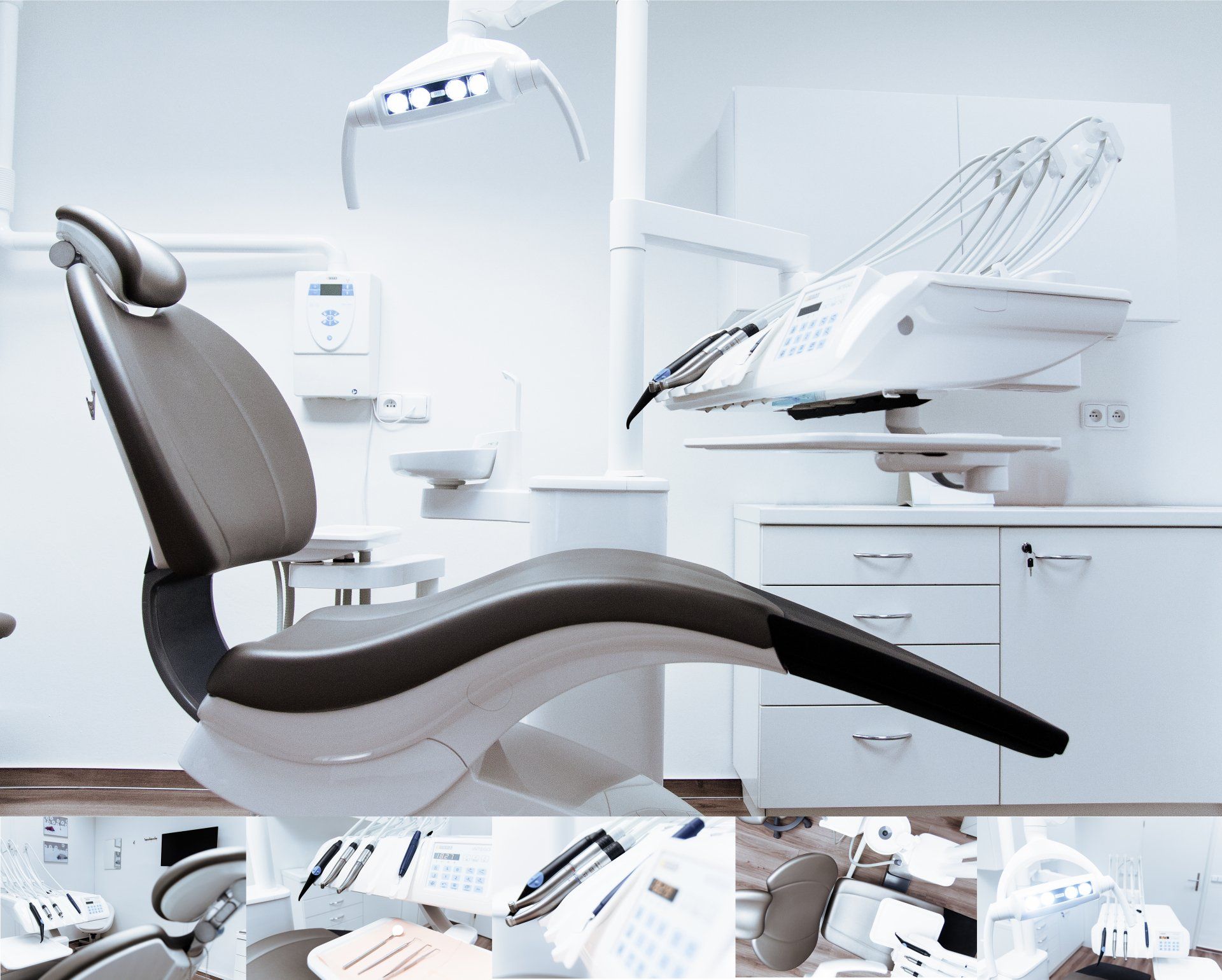
Dental chair in a bright, modern clinic with attached light and instruments.
March 12, 2026
Celebrate International Patient Safety Day with Sierra Oaks Dental At Sierra Oaks Dental, your safety is our top priority, and we go above and beyond to ensure that every step of your care is handled with the utmost attention. We proudly use Sterisil, a leader in dental waterline treatment, to guarantee that the water used in your procedures is always clean and safe. Sterisil’s advanced silver-activated technology eliminates harmful microorganisms far beyond EPA standards, allowing our team to focus on giving you the best care possible. Here's an educational and entertaining video about how Sterisil works:
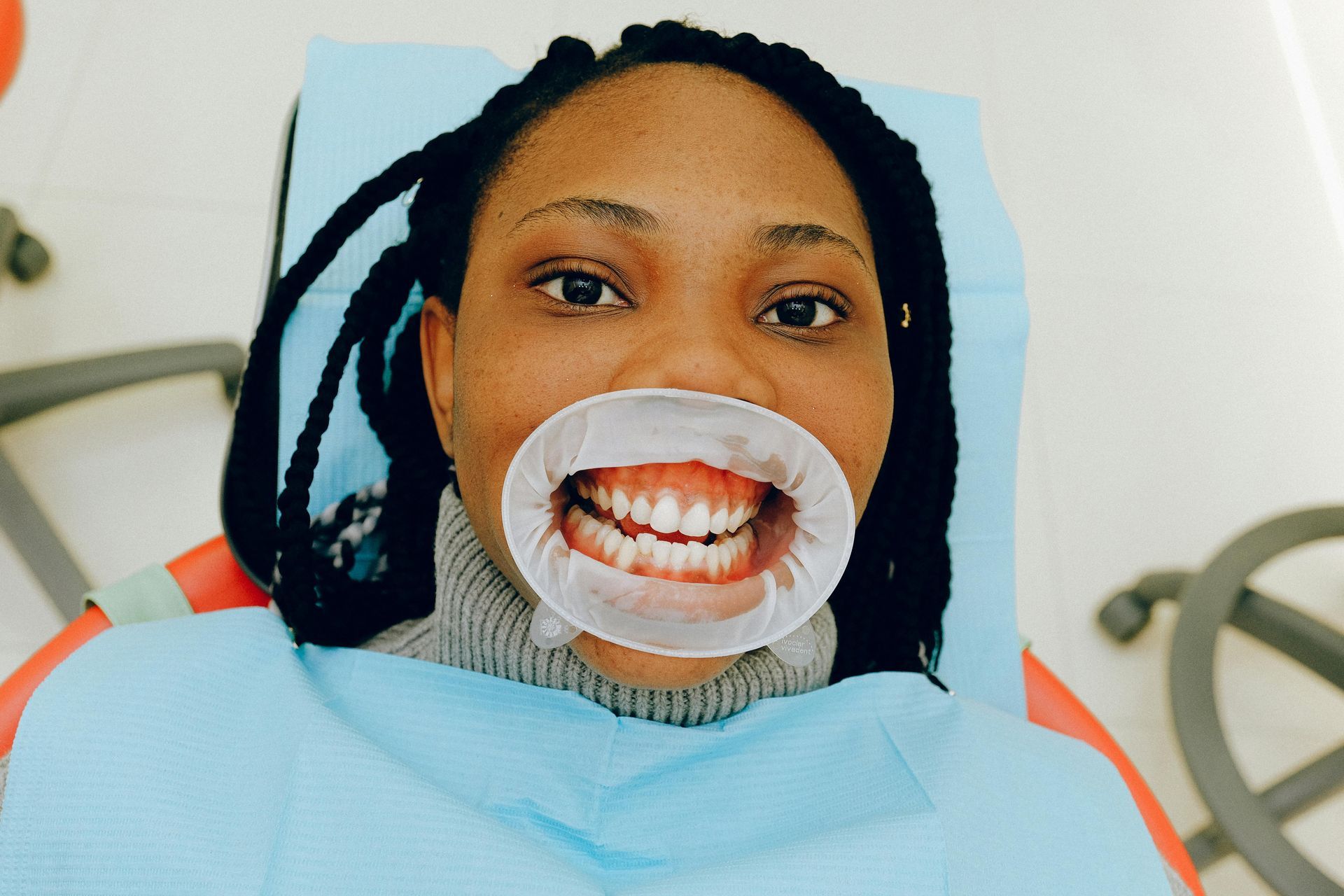
Person in dentist chair with a mouth retractor, open mouth, light blue sheet.
March 12, 2026
Understanding Gingivitis and Periodontal Disease Oral health is a vital part of overall well-being, yet it’s often overlooked until symptoms appear. Two of the most common dental health issues are gingivitis and periodontal disease. Understanding what causes these conditions, how they progress, and the best treatment options can help prevent long-term complications and protect both oral and overall health.  How Common Are Gingivitis and Periodontal Disease? Gum disease is extremely common in the United States. According to the Centers for Disease Control and Prevention, nearly half of adults aged 30 and older have some form of periodontal disease. Among adults over the age of 65, that number rises to more than 70 percent. Gingivitis, the earliest stage of gum disease, is even more widespread. Up to 75 percent of adults experience some degree of gum inflammation during their lifetime. Early awareness and treatment are key to preventing progression. For patients in the Sacramento, California area, Dr. Peter Kim and the team at Sierra Oaks Dental focus on early detection and prevention of gum disease. What Is Gingivitis? Gingivitis is the mildest form of gum disease and is characterized by inflammation of the gums. It is typically caused by plaque buildup — a sticky film of bacteria that forms on teeth when oral hygiene is inadequate. If plaque is not removed through regular brushing and flossing, it can harden into tartar, further irritating the gums and triggering inflammation. Causes of Gingivitis Common Risk Factors Poor oral hygiene that allows plaque to accumulate Tobacco use, including smoking or chewing tobacco Certain medications that reduce saliva flow and cause dry mouth Hormonal changes during pregnancy, menopause, or menstruation Medical conditions such as diabetes, cancer, or HIV/AIDS that weaken the immune system Symptoms of Gingivitis Signs to Watch For Red or swollen gums Bleeding gums during brushing or flossing Persistent bad breath Gum tenderness or discomfort Mild gum recession Long-Term Effects of Untreated Gingivitis If left untreated, gingivitis can progress into periodontal disease. Over time, this can lead to gum recession, bone loss around the teeth, and eventually tooth loss. The good news is that gingivitis is reversible when addressed early with proper care. What Is Periodontal Disease? Periodontal disease, also called periodontitis, is an advanced stage of gum disease that affects not only the gums but also the bone and connective tissue that support the teeth. It occurs when plaque and tartar spread below the gum line, triggering a chronic inflammatory response that damages supporting structures. Causes of Periodontal Disease Contributing Factors Untreated gingivitis Genetic predisposition Chronic conditions such as diabetes or heart disease Smoking or tobacco use Poor nutrition that weakens immune response Symptoms of Periodontal Disease Warning Signs Persistent bad breath or unpleasant taste Swollen, bleeding, or receding gums Pain while chewing Loose or shifting teeth Changes in how dentures or bridges fit Pus between the gums and teeth Long-Term Effects of Periodontal Disease Oral and Systemic Health Risks Tooth loss due to bone destruction Increased risk of systemic conditions such as heart disease, stroke, diabetes, and respiratory disease Chronic inflammation that may affect overall health Bacteria from advanced gum disease can enter the bloodstream and contribute to inflammation in other parts of the body. Best Treatments for Gingivitis Non-Surgical Treatment Options Improved oral hygiene with brushing twice daily and flossing Antimicrobial mouth rinses Regular professional dental cleanings Lifestyle changes such as quitting smoking and improving diet Medications such as antibiotic rinses or antiseptic treatments when necessary Best Treatments for Periodontal Disease Deep Cleaning Procedures Scaling and root planing to remove plaque and tartar below the gum line and smooth root surfaces Advanced Treatment Options Antibiotic therapy to control bacterial infection Flap surgery to access and clean deep gum pockets Bone and tissue grafts to regenerate lost support Laser therapy to remove infected tissue and promote healing Treatment plans vary based on disease severity and individual patient needs. Preventing Gum Disease Gingivitis and periodontal disease are largely preventable with consistent care. Maintaining good oral hygiene, attending regular dental checkups, and leading a healthy lifestyle are essential steps in protecting gum health. If you notice early signs of gum disease, seeking professional care promptly can prevent progression and reduce the risk of long-term complications. Gum Disease Care in Sacramento, CA Gingivitis and periodontal disease affect more than just your smile — they can impact your overall health and quality of life. Early diagnosis and appropriate treatment can make a significant difference. If you live in Sacramento and have concerns about gum health, schedule an appointment with Dr. Peter Kim and the team at Sierra Oaks Dental for comprehensive evaluation, treatment, and prevention-focused care.
Pizza with pepperoni and soda in glasses and bottles; people eating.
March 12, 2026
How to Care for Your Mouth and Diet After a Tooth Extraction Millions of people experience dental issues that require removing a tooth, a procedure known as a dental extraction. While the extraction itself addresses the problem, proper aftercare — especially what you eat — plays a major role in healing and preventing complications. Knowing what to expect and how to care for the area can help ensure a smoother recovery.  Why Tooth Extractions Are Sometimes Necessary Dental problems are extremely common, and many damaged teeth can be treated with fillings, crowns, bonding, or root canals. However, when a tooth is severely damaged or cannot be repaired, extraction may be the healthiest option. Common reasons a tooth may need to be removed include: Severe decay beyond repair Abscess or infection Pulp damage Bone loss around the tooth Impacted teeth Fractured or broken teeth Advanced tooth rot For patients in the Sacramento, California area, Dr. Peter Kim and the team at Sierra Oaks Dental evaluate each case carefully to determine whether extraction is necessary and how to support proper healing afterward. What Happens During a Tooth Extraction Evaluation and Preparation Before an extraction, your dentist will examine the tooth and surrounding gums using dental X-rays. This helps determine the position of the tooth, root depth, and any complications that may affect the procedure. The Extraction Process The procedure typically begins with anesthesia to numb the area. Depending on comfort level and anxiety, local anesthesia or additional sedation may be used. Specialized instruments are then used to gently loosen and remove the tooth from its socket. In some cases, a small incision in the gum may be necessary to access the tooth. After removal, the socket is cleaned and disinfected. If bone loss is present, a bone graft may be placed. Stitches are then used to support proper healing. Important Aftercare Steps Following Extraction Protecting the Blood Clot After a tooth is removed, forming and maintaining a blood clot is essential for healing. Gauze is typically placed over the area to control bleeding and support clot formation. Avoid medications such as aspirin, which can increase bleeding. Rest and Healing Most discomfort should begin to improve within three days, though healing time varies depending on the tooth removed and the complexity of the extraction. During the first few days, focus on rest and change gauze as directed until bleeding stops. What to Avoid To reduce the risk of complications such as dry socket, avoid: Rinsing or spitting forcefully Using straws Smoking Blowing your nose Excessive physical activity Over-the-counter anti-inflammatory medications may be recommended for pain relief. Cold compresses and sleeping with your head elevated can also help reduce swelling. What Foods Are Safe After a Tooth Extraction Foods for the First Day During the first 24 hours, stick to soft, easy-to-eat foods such as: Smooth soups Milk Cheese Yogurt Soft cereals Mashed potatoes Beans Protein shakes or smoothies without using a straw Foods for the Following Days Over the next few days, as healing progresses, you may introduce: Soft-boiled, scrambled, or poached eggs Bananas Soft fish Start chewing on the opposite side of the mouth when comfortable. As the area heals and stronger tissue forms, solid foods can be reintroduced gradually, using small bites for the first couple of weeks. Foods and Drinks to Avoid During recovery, avoid: Alcoholic beverages Tough or chewy meats Crunchy or hard foods Anything that requires a straw Tooth Extraction Care in Sacramento, CA Proper aftercare following a dental extraction helps reduce pain, prevent complications, and support faster healing. Paying close attention to both oral hygiene and diet is key during recovery. If you need a tooth extraction or have questions about aftercare, schedule an appointment with Dr. Peter Kim and the team at Sierra Oaks Dental in Sacramento, CA for personalized guidance and care.
Woman with a hand on her cheek, smiling, against a blue background.
March 12, 2026
How to Keep Your Teeth White After Whitening Treatment There are many reasons teeth become discolored, and when brushing alone isn’t enough to restore brightness, professional teeth whitening can help. After whitening treatment, however, ongoing care is important to keep your smile looking its best. Knowing how to maintain results can help extend the life of your brighter smile.  Why Teeth Become Discolored The color of your teeth is determined by the interaction between two layers: enamel on the outside and dentin beneath it. Enamel is naturally translucent, while dentin has a yellowish tone. This means that even healthy teeth are rarely pure white. Over time, teeth can change color for many reasons. While good brushing and flossing habits help remove plaque and surface stains, some types of discoloration require professional whitening to correct. For patients in the Sacramento, California area, Dr. Peter Kim and the team at Sierra Oaks Dental provide professional whitening options to safely brighten smiles affected by discoloration. Reasons People Choose Teeth Whitening Extrinsic Discoloration Extrinsic discoloration affects the outer enamel and is commonly caused by: Foods and beverages such as coffee, tea, and wine Aging Poor oral hygiene Tobacco use These stains often respond well to professional whitening treatments. Intrinsic Discoloration Intrinsic discoloration occurs inside the tooth and can be caused by: Tooth injuries or trauma Tooth decay Certain illnesses, including liver disease or calcium deficiencies Some medications Dental procedures Chemotherapy Intrinsic discoloration may require more advanced whitening or cosmetic solutions. The Teeth Whitening Process Preparing the Teeth Professional whitening begins by assessing your current tooth color to determine the appropriate treatment strength and duration. Teeth are then cleaned to remove plaque and surface debris, often using pumice or similar materials. Applying the Whitening Solution Gauze and retractors may be used to keep the mouth dry and protect soft tissues. A whitening solution, typically containing carbamide peroxide or hydrogen peroxide, is applied to the front surfaces of the teeth. Activation and Finishing The whitening agent is often activated using a laser or light and left on the teeth for a specific period, sometimes up to an hour. Once the desired shade is reached, the solution is rinsed away. Fluoride may be applied to help reduce sensitivity after treatment. How to Maintain Your Whitening Results Once your teeth reach the shade you want, maintaining that brightness becomes the next priority. Daily Oral Hygiene Brushing twice a day and flossing daily are essential for keeping teeth clean and preventing new stains. Rinsing with water after meals and chewing sugar-free gum can also help reduce stain buildup. Whitening Toothpaste Using a whitening toothpaste can help preserve the results of professional whitening between dental visits. Foods That Support Whiter Teeth Milk can help strengthen teeth and support enamel health. Fruits such as pineapples, strawberries, and papaya may also help limit discoloration, though rinsing with water afterward can reduce acidity. Foods and Drinks to Limit To help prevent staining, try to reduce consumption of: Coffee and tea Cola and grape juice Red wine Curry Dark berries Tomato-based sauces Teeth Whitening Care in Sacramento, CA Professional whitening can dramatically improve your smile, but maintaining results requires ongoing care and regular dental visits. With the right habits, you can keep your teeth looking brighter for longer. If you live in Sacramento and want to maintain or refresh your whitening results, schedule an appointment with Dr. Peter Kim and the team at Sierra Oaks Dental for continued care and guidance.
Woman with a hand on her cheek, possibly in pain, standing at a reception desk.
March 12, 2026
How to Care for Your Tooth After a Root Canal Root canals are an effective way to treat infections inside teeth by removing damaged tissue from the pulp. While the procedure helps preserve your natural tooth and relieve pain, proper aftercare is essential to support healing and long-term success. Understanding what to expect after a root canal can help you protect your dental health and avoid complications.  Why Root Canals Are Necessary Although teeth may resemble bones, they are made of different materials and function differently. Adult teeth include incisors, canines, premolars, and molars, and each tooth is composed of enamel, dentin, cementum, and pulp. Enamel is the strongest substance produced by the body, but it can wear down over time due to decay, trauma, or infection. When bacteria reach the pulp inside a tooth, a root canal may be needed to remove infected tissue and prevent further damage. For patients in the Sacramento, California area, Dr. Peter Kim and the team at Sierra Oaks Dental provide root canal therapy designed to protect oral health and relieve discomfort. How Root Canals Help Teeth Treating Infection and Relieving Pain Root canals are often associated with fear or anxiety, but they are a necessary and effective treatment for infection. Symptoms that may indicate the need for a root canal include chronic tooth pain, pressure sensitivity, swollen gums, gum bumps, jaw swelling, tooth discoloration, or looseness. By removing infected tissue from inside the tooth, root canal therapy stops the spread of infection and helps prevent further damage to surrounding teeth, gums, and jawbone. The procedure itself is typically far more comfortable than many people expect. Root Canal Procedure Basics Preparing for Treatment Before the procedure begins, antibiotics may be prescribed to reduce infection and inflammation. This helps lower the risk of complications during treatment. Steps of the Procedure Local anesthesia is applied to numb the area, and a rubber dam is placed to isolate the tooth. A small opening is made in the tooth to access the pulp, and tiny instruments are used to remove infected nerves and tissue. X-rays may be taken to assess the length and shape of the tooth roots, which can make this portion of the procedure take longer. Once cleaned, the tooth is dried and sealed with a rubber-like material called gutta-percha. After sealing the tooth, remaining decay is removed, and your dentist will determine whether a crown or other restoration is needed. Depending on the complexity of the case and the number of teeth involved, treatment may take more than one visit. Root Canal Aftercare Instructions Expect Some Tenderness Mild tenderness is common once the anesthesia wears off and may last for a few days. This is part of the normal healing process. Handle the Tooth Gently A tooth that has undergone a root canal requires extra care, especially in the first few weeks. Continue brushing and flossing, but be gentle around the treated area, particularly if you are waiting for a crown or permanent restoration. Avoid Certain Foods and Drinks Avoid very hot or cold foods and beverages, as well as hard or crunchy foods that put pressure on the treated tooth. If you smoke, avoid smoking during the healing period, as it can slow recovery and increase the risk of complications. Watch for Unusual Symptoms Healing usually takes a few weeks, but contact your dentist if you experience severe or worsening pain, visible swelling, an uneven bite, a lost temporary crown, or signs of an allergic reaction to medication. Root Canal Aftercare in Sacramento, CA Root canals play an important role in maintaining dental health, but proper aftercare is just as important for preserving the treated tooth. Following post-treatment instructions helps ensure a smooth recovery and long-lasting results. If you have questions about caring for a tooth after a root canal or need follow-up care, schedule an appointment with Dr. Peter Kim and the team at Sierra Oaks Dental in Sacramento, CA for personalized guidance and support.
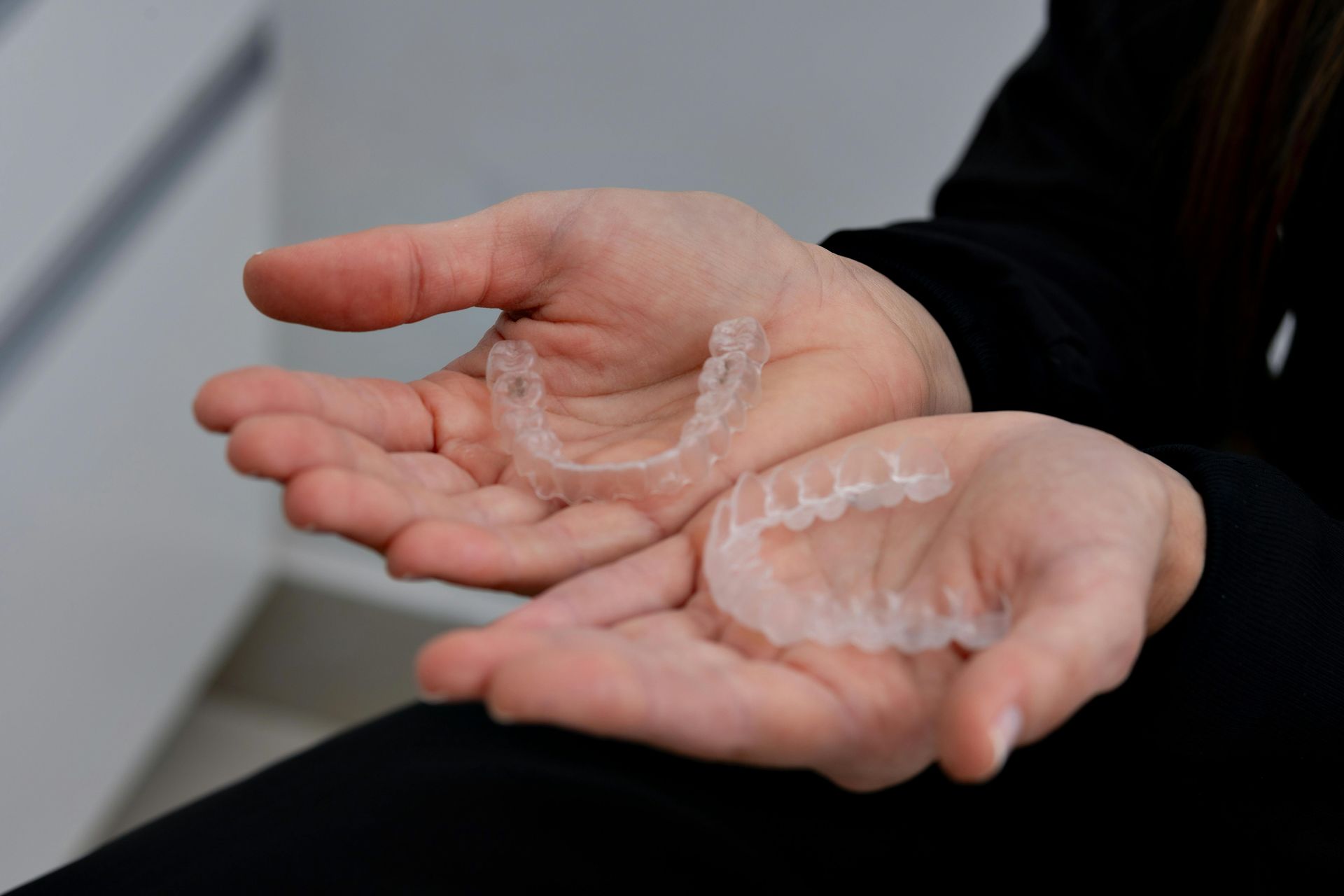
Hands holding two clear, plastic dental aligners, likely for teeth straightening.
March 12, 2026
Is Invisalign® the Right Solution for Malocclusion? The alignment of your teeth plays a major role in how well you can speak and eat. When teeth are misaligned, a condition known as malocclusion, these everyday functions can become more difficult. Invisalign® is a popular orthodontic solution for correcting alignment issues, but it isn’t always the right choice for everyone. Understanding how malocclusions affect oral health and how Invisalign® works can help you decide if this treatment is right for you.  How Teeth Development Affects Alignment Teeth begin forming before birth through a process called odontogenesis. Primary teeth start developing as early as eight weeks in utero and typically begin erupting around six months of age. Permanent teeth form later and gradually replace primary teeth as children grow. During development, several factors can interfere with proper alignment. When teeth do not come together correctly, malocclusions can develop, affecting speech, chewing, and overall oral health. For patients in the Sacramento, California area, Dr. Peter Kim and the team at Sierra Oaks Dental help diagnose and treat alignment concerns at various stages of life. Understanding Malocclusion What Causes Malocclusion Malocclusion can develop for many reasons, including: Atypically shaped or impacted teeth Cleft lip or palate Childhood habits such as thumb sucking, prolonged pacifier use, or extended bottle feeding Jaw or facial injuries Airway obstructions Tumors affecting the mouth or jaw Improperly fitted dental restorations Types of Malocclusion These factors can result in different types of bite issues, including: Overbite Underbite Crossbite Open bite Crowded or overlapping teeth Each of these can interfere with proper speech, chewing efficiency, and long-term dental health. How Invisalign® Helps Correct Alignment Invisalign® is a clear aligner system that straightens teeth using a series of custom-made trays rather than fixed brackets and wires. The aligners are made from a transparent thermoplastic material and fit snugly over the teeth. Treatment begins with a digital scan of your teeth, which is used to create a series of aligners designed to gradually move teeth into better alignment. Aligners are worn for most of the day and replaced periodically as treatment progresses. In many cases, Invisalign® treatment lasts up to 18 months. After treatment, retainers may be recommended to help maintain the results and keep teeth in proper position. Who Benefits Most from Invisalign® Determining Candidacy Whether Invisalign® is right for you depends largely on the complexity of your malocclusion. Clear aligners can effectively treat many mild to moderate alignment issues, including spacing and crowding. However, more complex cases that require significant tooth movement or jaw correction may respond better to other orthodontic treatments. A thorough evaluation is necessary to determine the most effective approach. At Sierra Oaks Dental in Sacramento, your dentist will assess your alignment, bite, and oral health to help determine whether Invisalign® or another treatment option is the best fit for your needs. Invisalign® Consultations in Sacramento, CA Malocclusions can affect both function and comfort, but effective treatment options are available. Whether Invisalign® or another orthodontic solution is right for you, professional guidance can help ensure the best outcome. If you live in Sacramento and are dealing with misaligned teeth or bite concerns, schedule an appointment with Dr. Peter Kim and the team at Sierra Oaks Dental to explore your options and take the next step toward a healthier smile.
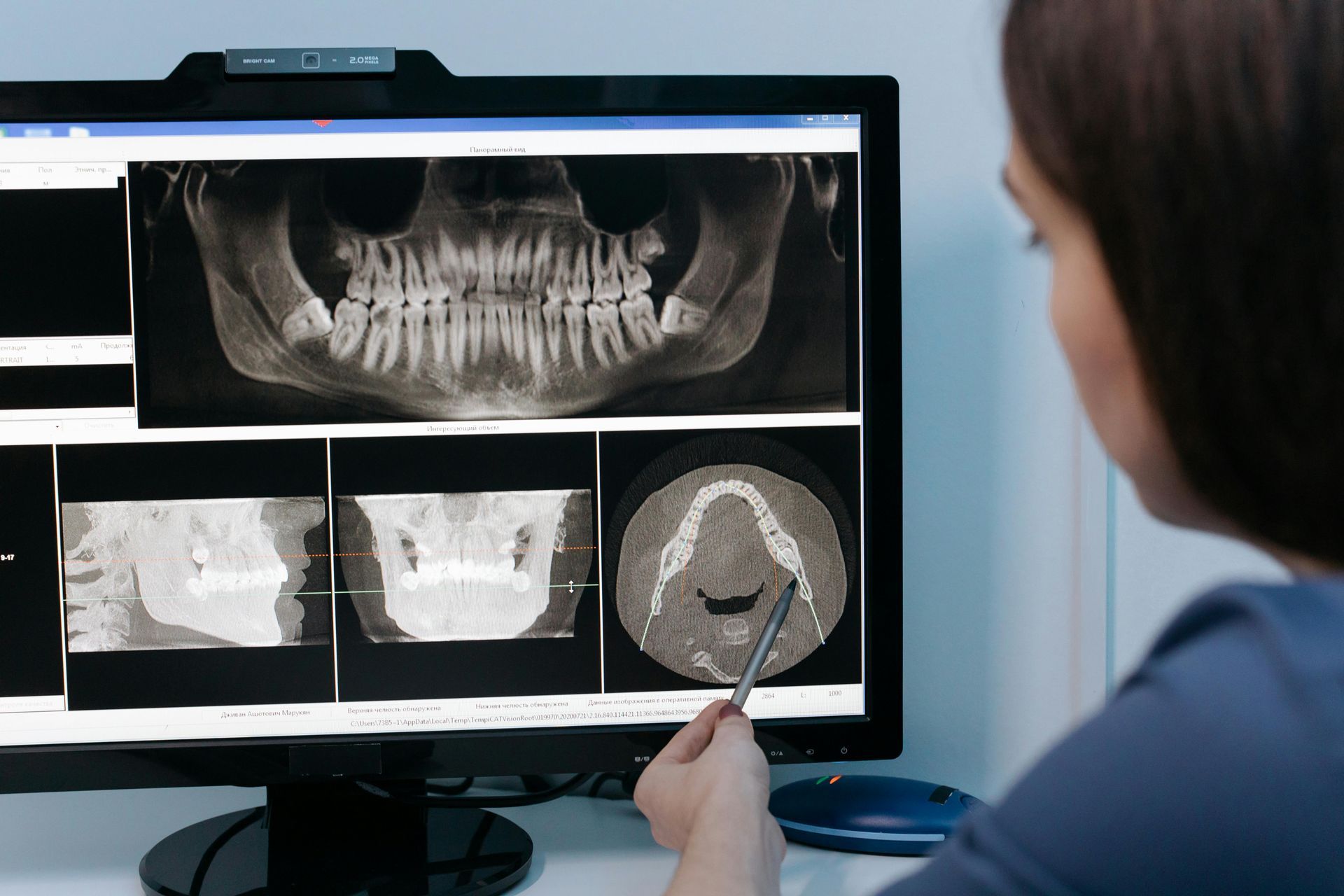
Woman pointing at dental X-ray images on a computer screen in a dentist's office.
March 12, 2026
This is a subtitle for your new post
Overhead view of a colorful bowl of vegetables and grains surrounded by fresh ingredients on a white surface.
March 12, 2026
How the Foods You Eat Affect Your Dental Health Food is essential for providing energy and nutrients that keep your body functioning, but what you eat also has a direct impact on your dental health. The foods you choose can either support strong teeth and gums or contribute to decay and disease. Understanding how diet affects your mouth can help you make choices that benefit both your smile and your overall health.  Why Nutrition Matters for Your Teeth Everyone enjoys eating, and while many foods taste good, not all of them are good for your body or your teeth. Nutrition plays a critical role in oral health because everything that enters your mouth interacts with your teeth, gums, and oral bacteria. Good brushing and flossing habits are important, but diet plays a major role in preventing damage before it starts. Certain foods feed harmful bacteria, while others help strengthen enamel and support a healthy oral environment. For patients in the Sacramento, California area, Dr. Peter Kim and the team at Sierra Oaks Dental help guide dietary choices that support long-term dental health. What Happens to Your Teeth When You Eat The Role of Chewing and Saliva Chewing, also known as mastication, is the first step in digestion. As food enters the mouth, it is torn and ground down to prepare it for swallowing and nutrient absorption. Saliva plays a key role in this process by: Helping break down food Keeping the mouth moist Neutralizing acids Fighting harmful bacteria Providing minerals and proteins that help protect teeth A healthy balance of saliva and chewing supports both digestion and oral health. How Poor Food Choices Damage Teeth Sugar and Processed Foods Highly processed foods and sugary drinks offer little nutritional value and can significantly harm teeth. Sugar feeds harmful bacteria in the mouth, which produce acids that erode enamel. Over time, this erosion can lead to: Dental caries (cavities) Periodontitis (gum disease) Tooth decay and tooth loss Difficulty chewing and speaking In more severe cases, long-term oral health problems can contribute to serious conditions affecting the mouth, lips, and throat. The Best Foods for Healthy Teeth Leafy Vegetables Vegetables such as spinach, kale, arugula, chard, and turnip greens are rich in vitamins and minerals that support strong teeth and healthy gums. Fruits While citrus fruits like oranges and grapefruits are acidic and should be eaten in moderation, they can still support oral health when balanced with other foods. Apples and other crunchy fruits help stimulate saliva production and clean tooth surfaces naturally. Grass-Fed Dairy Milk, cheese, and butter from grass-fed animals are often higher in vitamin K2, which helps support tooth and bone health. These dairy products can help strengthen enamel when consumed as part of a balanced diet. Fatty Fish Fish such as salmon, tuna, trout, and mackerel are rich in omega-3 fatty acids and vitamin D. These nutrients help reduce inflammation and support mineral absorption, which can lower the risk of tooth decay. Dark Chocolate Sugary chocolate candies can damage teeth, but low-sugar dark chocolate or cacao nibs may actually support a healthy oral microbiome when consumed in moderation. Supporting Dental Health Through Nutrition in Sacramento, CA Healthy teeth contribute to a healthy body, and nutrition plays a major role in protecting your smile. Pairing good dietary choices with regular dental care helps reduce the risk of cavities, gum disease, and other oral health concerns. If you live in Sacramento and want guidance on how nutrition affects your teeth, Dr. Peter Kim and the team at Sierra Oaks Dental can help you create a plan that supports both your oral and overall health.