What to Do If You Crack a Tooth
This is a subtitle for your new post
How to Care for a Cracked Tooth Until You See a Dentist
Whether caused by an injury or an underlying dental issue, a cracked tooth can be painful and lead to further complications if not addressed properly. Because teeth cannot heal themselves, knowing how to manage a cracked tooth until professional care is available is important for protecting your oral health.
Why Cracked Teeth Are a Serious Concern
Teeth and bones may seem similar, but they function very differently. While bones can heal after injury, teeth cannot. Enamel is the strongest substance in the human body, yet once it cracks or fractures, the damage will not repair itself.
Cracked teeth are a common dental problem and can worsen over time if left untreated. Early care and proper management can help reduce pain and prevent further damage.
For patients in Sacramento, California, Dr. Peter Kim and the team at Sierra Oaks Dental provide evaluation and treatment for cracked teeth and other dental concerns.
Causes of a Cracked Tooth
Types of Tooth Cracks
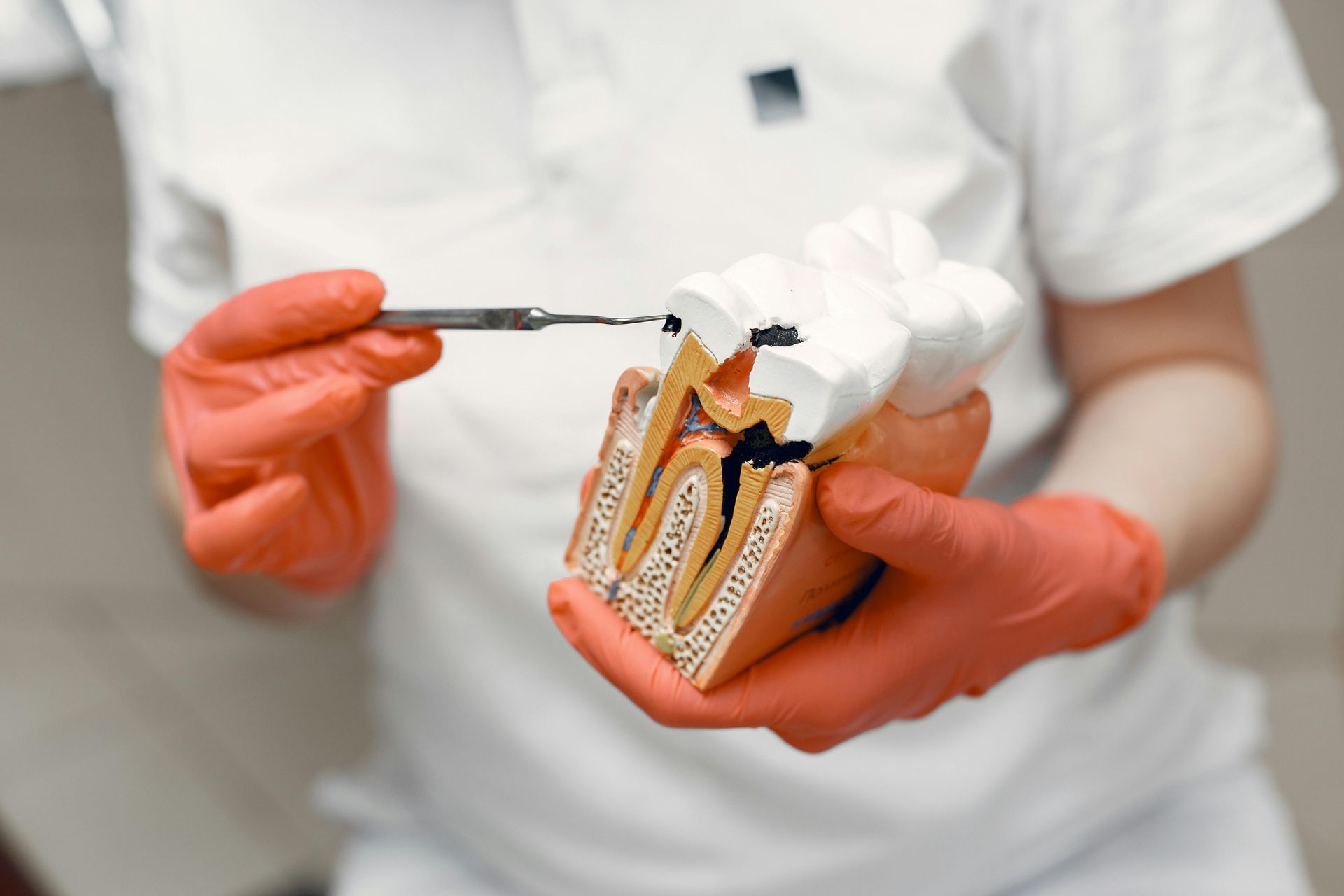
Cracks can affect different areas of a tooth, including the visible crown and the root beneath the gums. Common types of cracked teeth include:
- Craze lines
- Fractured cusp
- Split tooth
- Vertical root fracture
- Cracks that extend below the gum line
Some cracks may cause significant discomfort, while minor fractures can sometimes be asymptomatic until the damage worsens.
Common Causes
Cracked teeth can occur for many reasons, including:
- Teeth grinding or clenching (bruxism)
- Large fillings that weaken the tooth structure
- Biting or chewing hard foods such as ice, candy, or nuts
- Sports injuries or physical trauma
- Age-related wear, especially in adults over 50
Symptoms may include sensitivity to hot or cold, intermittent pain, gum swelling, or discomfort when chewing.
How to Care for a Cracked Tooth at Home
While professional dental care is necessary, there are steps you can take at home to manage discomfort and reduce the risk of further damage.
Pain Management
Over-the-counter pain relievers such as acetaminophen or ibuprofen may help reduce discomfort. Oral anesthetics containing benzocaine or lidocaine can temporarily numb the affected area.
Gentle Flossing
Flossing can help remove food particles that may worsen irritation. Be careful to avoid aggressive flossing near the cracked portion of the tooth.
Adjust Sleeping Position
Exposed nerves can cause throbbing pain, especially at night. Sleeping with your head elevated may help reduce pressure and ease discomfort.
Dental Rinses
Rinsing with warm saltwater twice a day can help reduce bacteria and soothe irritated tissues around the cracked tooth.
Treatment Options for a Cracked Tooth
If a cracked tooth causes ongoing or severe pain, professional evaluation is necessary. Treatment options depend on the severity and location of the crack.
Common Dental Treatments
- Root canal therapy to remove damaged pulp if the crack reaches the inner tooth
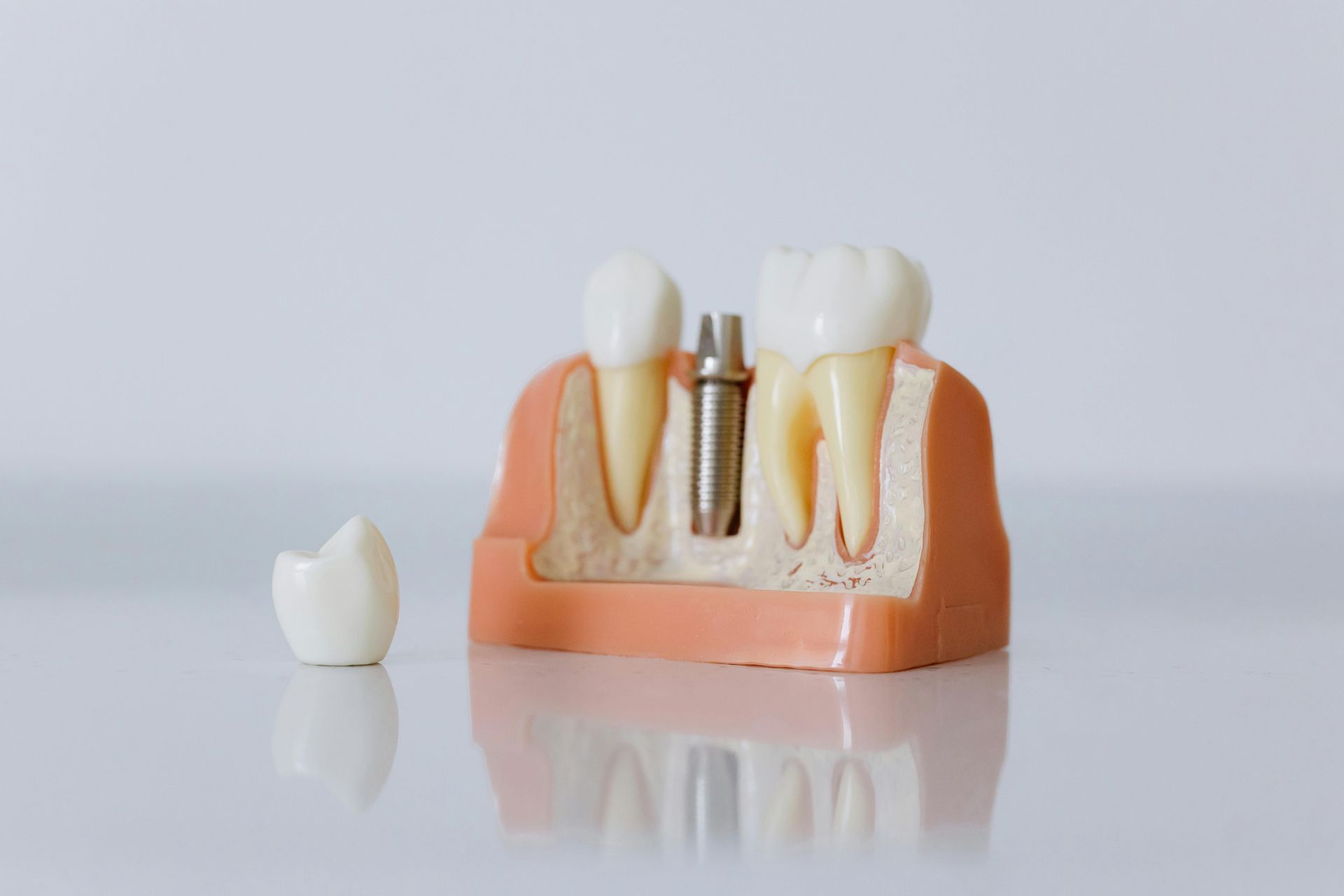
- Dental crowns to cover and protect the fractured tooth
- Bonding using dental resin to fill and seal minor cracks
- Contouring to smooth rough or uneven edges
- Veneers to restore appearance and protect the front surface of a tooth
- Tooth extraction if damage is too extensive to repair
Your dentist will recommend the most appropriate option based on your specific condition.
Cracked Tooth Treatment in Sacramento, CA
Cracked teeth can be painful and frustrating, but effective treatments are available. Prompt care can help relieve discomfort and preserve your smile.
If you live in Sacramento and are dealing with a cracked tooth or other dental issues, schedule an appointment with Dr. Peter Kim and the team at Sierra Oaks Dental for expert evaluation and care.
#SHARE on Social Media